
Obion Booking Photos and Release
A booking photograph documents the image associated with an arrest processing event. Tennessee's standardized booking procedure includes an arrestee photograph under T.C.A. § 8-4-115. That fact does not make every photo automatically open in every circumstance. Juvenile law, a court seal, expunction, confidentiality rules, and record-specific exemptions can affect access. Source and booking identifiers are essential because one person may have more than one arrest and more than one image.
Release changes custody status, not the historical origin of the photo. Yet OCSO does not run a browser archive where the public can scroll through past images. Its Inhouse Inmates page has no active entries. A MobilePatrol image can establish that a photo appeared with a displayed local booking at the capture time. The sheriff's responsive booking photograph has stronger record provenance. Neither image, standing alone, proves that a person was convicted or later released.
Keep the agency name, booking number, booking date, image source, and access date together. A photo separated from those facts can easily be attached to the wrong Obion County event.
Where Obion Released Mugshots Appear
No single source covers every person who leaves Obion County Jail. Choose the image channel from the authority that created the record. A short local admission and a TDOC felony record are different events, even when they involve the same person.
| Channel | Photo status | How to access and interpret it |
|---|---|---|
| OCSO browser page | No active photos found | The page says the in-house list is coming soon and links outward. |
| MobilePatrol | Possible booking photo | Select the Obion agency and match the exact booking; retention after release is not promised. |
| Sheriff records request | Historical booking photo may be responsive | Request the photograph associated with a named, dated booking and include an identifier. |
| TDOC FOIL | Possible state offender photo | Use for a person currently or formerly in TDOC custody or supervision, not every county admission. |
| TBI registry | Photo for covered registrants | Use only for people legally required to register; it is not a general released-person source. |
| Local reporting | Sometimes retains an earlier image | It shows what the publisher used at that time, not current status or release proof. |
| Scraped archive category | May copy an old image | Not authoritative; provenance, date, corrections, and present access may be unclear. |
Federal sources are more limited. The U.S. Marshals Service says federal prisoner information and photographs generally are not publicly released. A local Obion booking photo does not become a BOP image merely because the person later entered federal custody.
MobilePatrol Shows Obion Photo Leads
OCSO links MobilePatrol rather than maintaining a working browser roster. General app-store descriptions advertise public jail bookings, possible photos, and status alerts. OCSO makes no county-specific promise that every Obion booking includes a photograph. It also publishes no rule for how long a photo or booking remains visible after release. That unknown retention period makes the app a discovery route, not a dependable historical photo archive.
Inside the app, select the Obion agency. Match the full name and any booking identifiers before opening an image. Note the source agency, booking date, displayed status, and capture time. If the entry disappears later, do not infer why. The record may have changed because of display rules, lag, retention, a corrected identity, or a custody event.
The Android MobilePatrol listing and Apple MobilePatrol listing describe the app, and OCSO points to both from its inmate page. Those listings support the general feature description. They do not certify the content or archive period of any particular Obion County booking.
Request an Obion Booking Photograph
A focused records request is the durable path after a dynamic entry is gone. Ask for the booking photograph associated with one identified admission, not every image for a name. The county public-records policy directs Sheriff's Department requests to 1 Law Lane. Inspection can be requested orally or in writing, while copies or inspection plus copies may be requested in writing on the attached form. Current identification and eligibility requirements should be confirmed before visiting.
- Identify the full name and approximate Obion County booking date. Add a booking number, case number, or birth date when available to distinguish the person.
- Ask for “the booking photograph associated with the [date] booking.” Include the booking and release entry when it is needed to confirm provenance.
- Send the request to the Obion County Sheriff's Office. Ask for a cost estimate before duplication and confirm whether inspection is available.
- If any part is withheld, ask the custodian to identify the field or record and the legal basis. Do not assume that all images must be disclosed.
- Keep the response letter, image, booking identifier, access date, and any exemption citation together as one source trail.
1 Law Lane
Union City, TN 38261
Sheriff's Department: 731-885-5832
Jail listed separately: 731-885-0277
Records hours: not posted; call first
Under the Tennessee Public Records Act access framework, requests go to the office believed to hold the record. The Sheriff's contact page can route a Corrections message but is not labeled as the formal request form. If prompt production is not practical, the custodian generally has seven business days to produce it, deny it in writing with a basis, or state the time reasonably needed. Current law, policy, exemptions, and requester requirements control each response.
Tennessee Booking Photo Record Rules
The standardized booking statute documents photography as part of the state procedure.
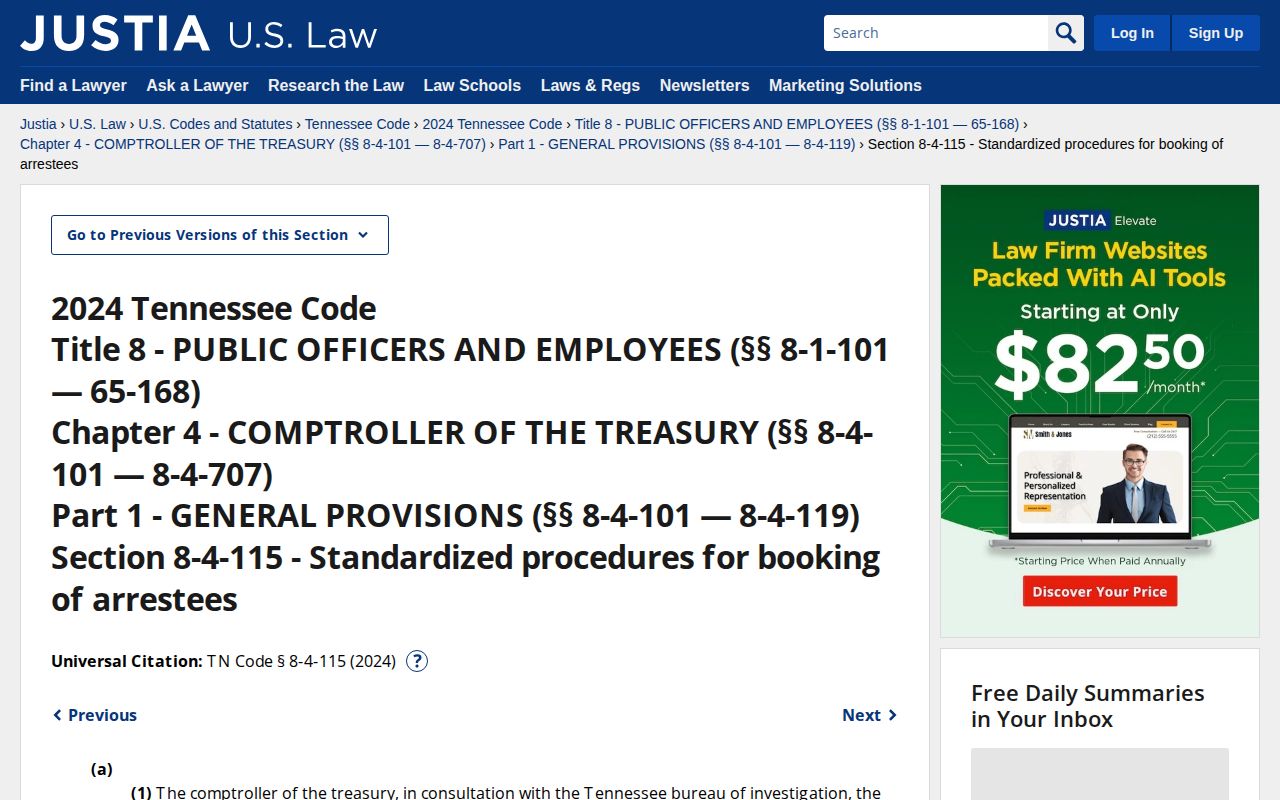
The source supports requesting the photo associated with a known booking. It does not override a seal, expunction, juvenile restriction, confidentiality provision, or another lawful exemption.
Tennessee's central access provision is T.C.A. § 10-7-503. The Office of Open Records Counsel explains that there is no central records clearinghouse, so the request belongs with the entity that maintains the image. For a county booking photo, that generally points to the sheriff. For a state offender image, TDOC is the responsible source. The label and provenance should never be blended.
TDOC Photos Are Different Records
TDOC's Felony Offender Information Lookup can cover people currently or formerly in state custody or supervision. The state says FOIL information may include a photo, incarcerated, probation, parole, or inactive status, location, offenses, sentence information, parole-hearing status, and release information. FOIL does not cover every short stay, misdemeanor, dismissed case, or pretrial booking at Obion County Jail.
A FOIL image identifies the TDOC record. It is not necessarily the photograph taken for the Obion County admission a reader has in mind. Match the TOMIS or TDOC identifier, name, and other available facts. If the public state record is stale or incomplete, TDOC Records Management handles archived offender-record requests. Preserve the exact state labels rather than rewriting inactive status or a past date as proof of a local jail release.
The TBI registry search is narrower still.
The registry image applies only to a person legally required to register. It must not be treated as a county release gallery or a comprehensive list of people who left custody.
What an Obion Mugshot Proves
An image must be read with its source. A MobilePatrol photo can associate a face with a displayed local booking at one time. A responsive OCSO photograph ties more directly to the booking identified in the records request. A FOIL image belongs to a TDOC record. A registry image belongs to a statutory registration record. A press image records the image selected by that publisher.
- Booking photo
- An image made or retained as part of an arrest processing record.
- Provenance
- The agency, booking, identifier, and date that show where an image came from.
- Release record
- The custodian's entry showing when and under what recorded disposition its custody ended.
- Expunction
- A court-controlled legal process that can change access to qualifying records under defined Tennessee rules.
The photo does not by itself establish guilt, sentence, release, transfer, or present location. For actual release, match the booking to the jail's release date, time, and disposition. The Obion County released inmate search explains how the custodian, court, VINE, and successor-custody records fit together.
Old Photos Outside Official Sources
A news report or sheriff announcement may preserve an arrest image after a changing roster entry disappears. It proves only what was published at that time. Corrections, later case events, release details, and current custody may not be reflected. Check the original date, identify the agency credited for the image, and seek the current official record.
Scraped archives and mugshot-publishing categories are weaker sources. Obion-specific authoritative coverage was not confirmed, so no such service is linked or recommended. Reposting can strip away booking identifiers, mix old and new arrests, and outlast changes to official public access. A stale private copy should not be used to work around a lawful restriction at the source.
Expunction and Obion Photo Access
T.C.A. § 40-32-101 governs several Tennessee expunction routes, including certain non-conviction outcomes and eligible convictions. Eligibility, waiting periods, excluded offenses, sentence completion, costs, and petition steps depend on the case and subsection. Release by itself expunges nothing. Confirm any order with the Obion County court that entered it, then ask the official custodian how the order changes access to the booking photograph.
The statute also contains a narrower process involving removal of some non-conviction charge information from public electronic databases when another count resulted in conviction. That provision is not a promise that all photos disappear. An official database may change while an earlier private copy remains elsewhere.
No enacted Tennessee law was confirmed that broadly bars a commercial publisher from charging for mugshot removal. A prior bill proposal must not be stated as current law. No private takedown result can be promised, and no paid removal service is endorsed.